
The results of a US study open the possibility of early treatment of a widespread brain disorder
in Italy, 1 in 77 children affects autism that is, from a neurodevelopmental disorder that affects the way a person interacts and communicates with others.
In fact, it is more correct to talk about “autism spectrum disorders” because different levels of disorders of different areas of the brain correspond to different pictures. language, communication and social interactionwith narrow interests, stereotyped actions and repetitive behaviors.
First diagnosed in the United States in 1933, all these forms of autism have in common that even though some affected children show signs of the disorder from birth, real symptoms begin to appear no later than 18 months of life, sometimes even a 3 years old or in any case until the demands of the environment exceed their capabilities. This delays both the diagnosis and the possibility of early treatment.
A limitation that can now be overcome, thanks to the results of a group of researchers from the University of Virginia, at the end of a study published in the journal Science Advances.
It rests on a new approach pioneered by a team led by Gustavo K. Rohde genetic changes and continues morphology of the brain: risk factors, along with environmental factors, are recognized as the basis of autism.
Genetic markers of autism
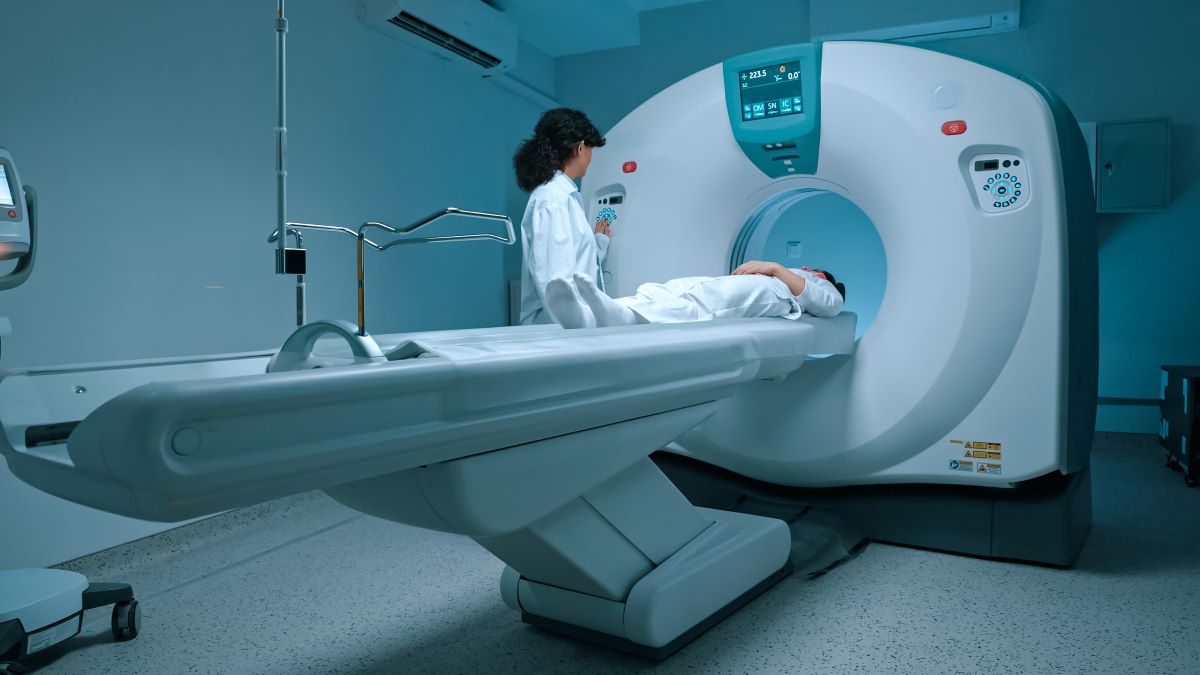
It was the starting point of the study brain map of a group of subjects participating in the Simons Variation in Individual Project using a magnetic resonance imaging.
The Pictures therefore obtained analyzed by artificial intelligenceto reveal the movements of proteins, nutrients and other processes involved in the disorder. Actually, there is genetic differences already known for its ability to influence brain morphology, increases the risk of autism.
Such a genetic factor that may play a role in this disorder is the so-called deletions or duplication of genetic sequences. In other words, this is the case with those suffering from autism How likely are the copies of these genetic sequences in the DNA to decrease or increase Compared to how often it happens in people who don’t suffer from this type of disorder. Scientists are especially in the spotlight region of chromosome 16function still remains largely unknown.
In fact, it is this region that is meant is one of the most common genetic causes of the disorder.
And he used experimental technique for the first time It is possible to decipher the genetic code of autismidentification with one genetic markers accuracy between 89% and 95% based on biological activity in the brain. “We discovered – tell the researchers – changes in the number of DNA repeats in the region, almost 100% of the time structural changes in the brain“.
New methodology and perspectives
If certain biological changes in brain structure related to deletions and duplications were already known to be associated with autism, new technique called generative computer mathematical modeling morphometrynow he has given us the opportunity Correlate these changes at the DNA level with structural and functional features of the brain morphology of autistic patients.or the different arrangement of different brain tissues within it, such as gray matter and white matter.
For example, when it comes to changes in the volume of the cerebral cortex, those with deletions also showed overgrowth of brain tissuein contrast, it decreased in repeats. And the most affected areasThese were the results, the researchers explain related to emotional processing, visual-spatial abilities, multisensory integration and languageaccording to the main behavioral disorders of the autism spectrum.
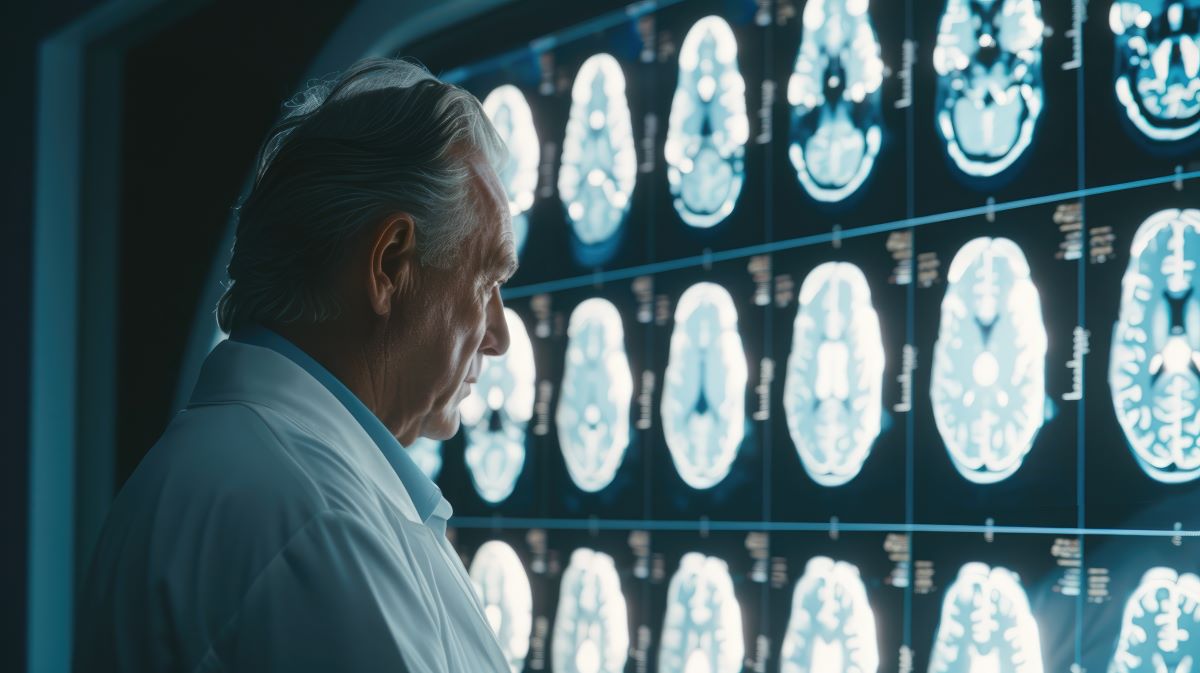
In particular, the study highlights that the new method allowed the detection of genetic variations based only on brain imaging, thus avoiding the interference of other genetic variations, starting from a biologically based model and thus not causing neurological disorders. In this way,identification, diagnosis, classification and early application of appropriate treatments to possible autism cases by physicians may be possible in the future without waiting for behavioral signals.