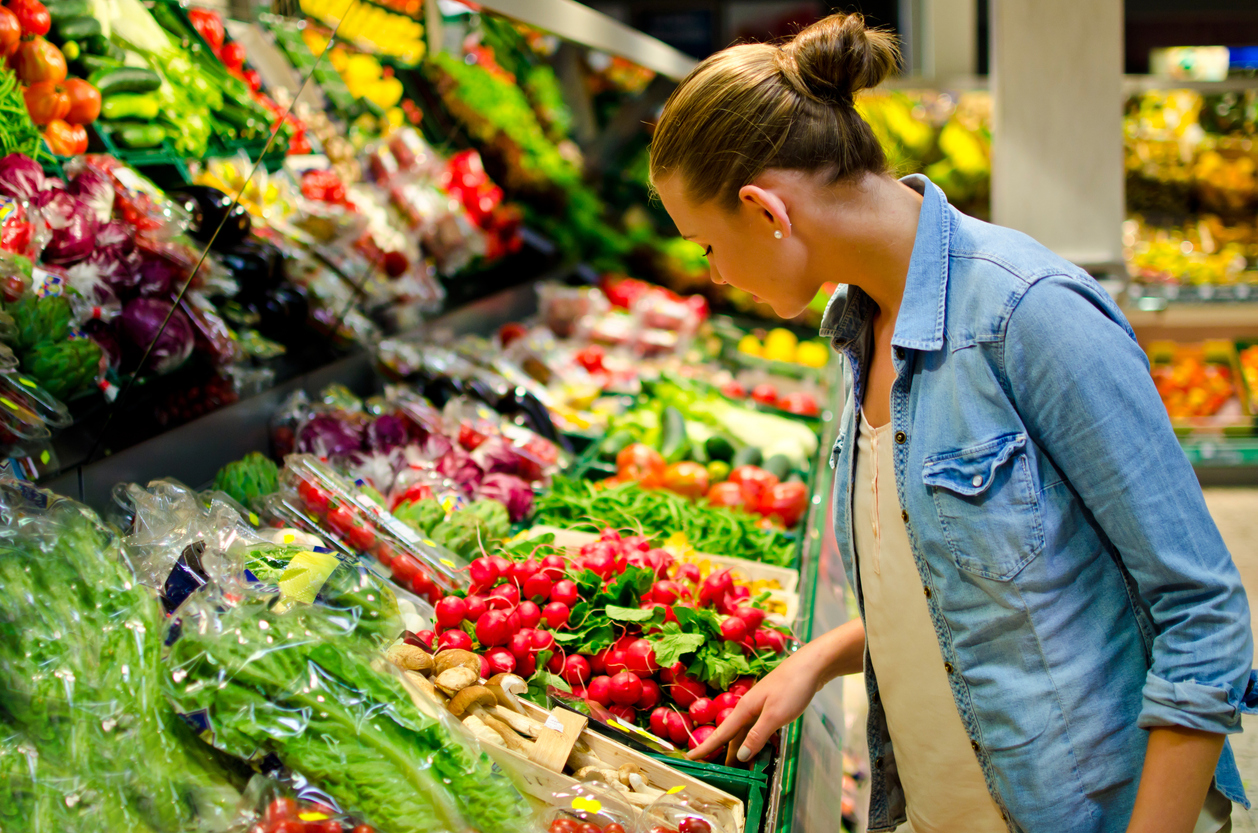
An apple a day, along with a good serving of vegetables, can be the first line of treatment for hypertension.
An apple a day, along with a good serving of vegetables, may be the first line of treatment for hypertension, according to new research.
Diet plays a major role in overall health, and research has confirmed that diet is rich fruits and vegetables it lowers blood pressure while improving both heart and kidney health. Although most modern diets contain animal products that produce high levels of unhealthy acid in the body, fruits and vegetables can help neutralize this acid.
“It’s important for us to remember that the typical diets we consume in modern societies contain more animal products than fruits and vegetables,” said the study’s lead author, Dr. Donald Wesson, professor of internal medicine at the Texas Medical School in Austin. “So, as in modern societies, when we eat a diet with more animal products like meat and less fruits and vegetables, we end up with an acid-producing diet,” he said.
In a study published Aug. 6 in the American Journal of Medicine, 153 primary hypertension patients with very high blood acid levels were divided into three groups: those who added 2 to 4 cups of fruits and vegetables to their daily diet, those who took sodium bicarbonate (baking soda) pills, and those receiving standard blood pressure treatment and medication. Patients were followed up for five years.
What did the researchers find? Both patients who ate more fruits and vegetables and those who took soda tablets had better kidney health. However, only a diet high in fruits and vegetables improved both kidney health and heart health.
“So our conclusion from the study is that diets high in fruits and vegetables should be key,” Wesson said. “This should be the first thing we do to treat people with high blood pressure, the main thing. Therefore, our thinking is that we should start with diet and then add medicine if necessary.”
Patients participating in the study were given fruits such as apples, oranges, peaches and raisins. They were also given vegetables such as carrots, cauliflower, eggplant, and lettuce. Raisins have been found to be the most effective in neutralizing acids in the body.
People who don’t have access to fresh fruits and vegetables shouldn’t turn to baking soda tablets, Wesson said.
“I wouldn’t suggest taking sodium bicarbonate or baking soda pills on their own. But if you think you might benefit from them, talk to your doctor first,” he said.
Eating more fruits and vegetables can seem difficult for some, so Amy Kimberlain, a spokeswoman for the Academy of Nutrition and Dietetics, suggests some steps that can help.
“I always tell patients that in addition to providing fiber, fruits and vegetables can also provide flavor,” says Kimberlain. “Eat what they like (don’t eat anything you don’t like) but also experiment with different ways to prepare fruits and vegetables. If you don’t like raw carrots, try cooked carrots. Like beets, you can add them to hummus if you don’t like them on their own. Experiment, be creative and try!’
Kimberlain offers some additional tips to ease this transition in your diet:
- Try a new seasonal fruit or vegetable each week.
- Add vegetables (boiled or boiled) to your eggs for breakfast.
- Add fruit to your oats.
- Instead of just lettuce and tomatoes for the salad, add more vegetables to make the salad more interesting: chopped carrots, cucumbers, mushrooms, beets, etc.
- Roast vegetables that you can serve as a side dish once a week, such as roasted peppers and onions.
- Homemade soups and/or stir-fries are great ways to make meals with lots of vegetables.
- Always have frozen fruits and vegetables at home, because they are a great way to add them to different dishes and are always ready.
- Experiment with dips like hummus or yogurt-based dips.
- Always keep ready-to-eat cut fruits and vegetables in the refrigerator.